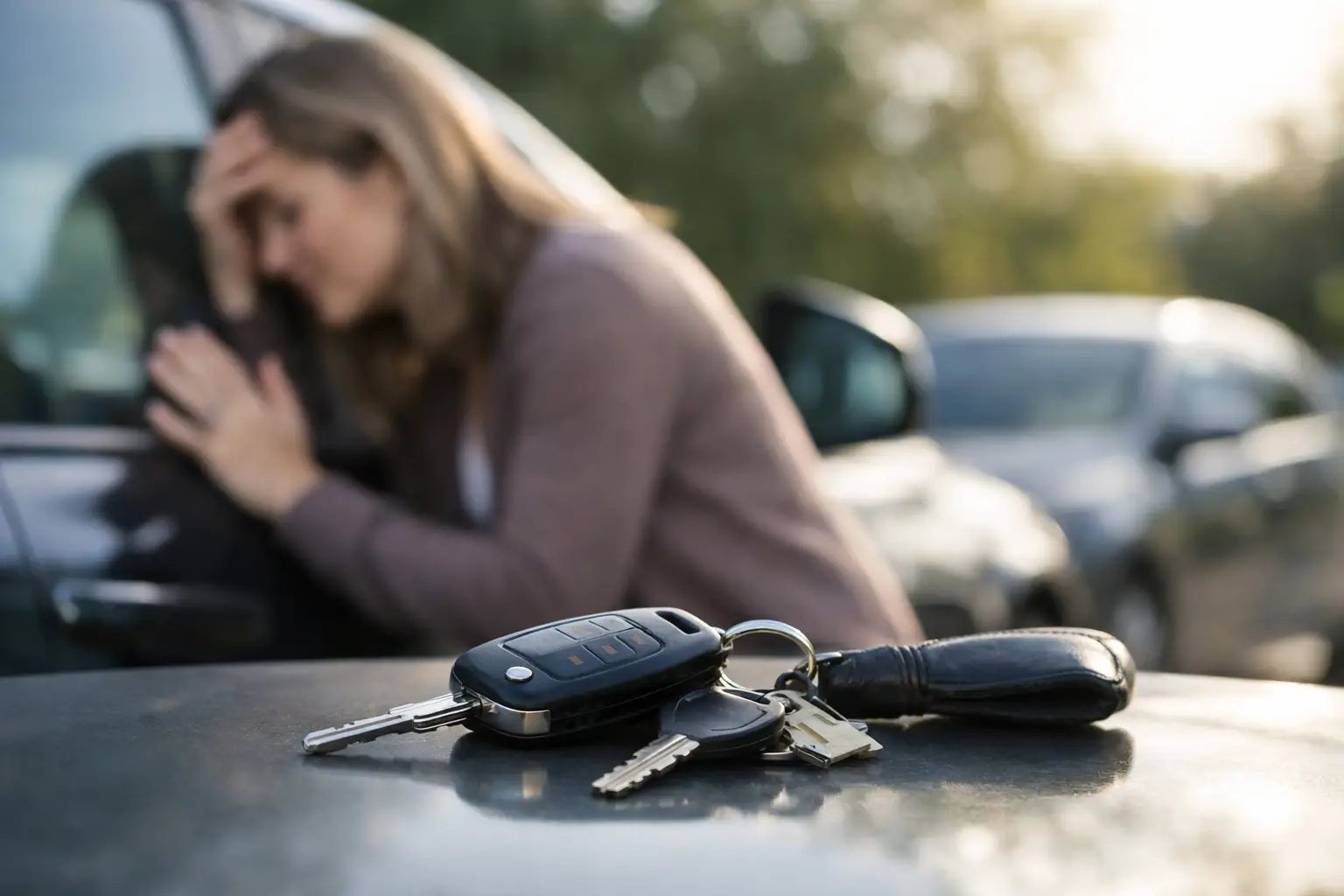
A car lockout rarely starts with carelessness. It usually happens during a rushed morning, a grocery run with full hands, or a stop where your attention is on a child, a phone call, or bad weather. Knowing how to prevent car lockouts comes down to creating a few dependable habits before the door closes and the keys are out of reach.
Modern vehicles have reduced some lockout risks, but they have also introduced new ones. A dead key fob battery, a misplaced proximity key, or a disabled phone app can leave you just as stranded as a key locked on the seat. The goal is not to make every trip complicated. It is to build a backup plan that works when your day does not go as planned.
How to Prevent Car Lockouts With a Door-Check Habit
The simplest prevention method is also the most effective: make checking for your keys part of exiting the vehicle. Before closing the driver’s door, touch the place where you normally carry your keys or fob. A pocket, purse, work bag, lanyard, or belt clip all work, as long as the location is consistent.
This is particularly useful if you drive a vehicle that does not automatically detect the key fob inside the cabin. Some cars will warn you with a chime or refuse to lock when the fob is inside, but those features are not universal and should not be your only protection. A warning may also be missed in a noisy parking lot or while you are unloading cargo.
Make the check deliberate when you are distracted. If you are dropping off kids, carrying equipment, or getting out in heavy rain, pause for two seconds before the final door closes. That brief routine can prevent an expensive interruption.
Give Your Keys One Reliable Home
Loose keys travel. They slide from a lap into the seat gap, disappear beneath shopping bags, and get left in jacket pockets that are not worn every day. A fixed storage routine reduces those mistakes.
At home, use one visible drop spot near the entrance, such as a hook, tray, or drawer. Avoid placing keys on counters, tables, or stacks of mail where they can be covered or moved. If several people use the same vehicle, agree on the same location so one person is not searching through the entire house while another assumes the keys are in the car.
When you are out, keep keys in a zipped pocket, a secured purse compartment, or a clipped holder. Open tote bags and shallow coat pockets are convenient until you bend down, load groceries, or take off a jacket. The right setup depends on your routine, but it should hold your key securely without making it difficult to reach.
Maintain the Key Fob Before It Fails
A working key fob is easy to take for granted. Then the battery weakens, the doors stop responding from across the driveway, and a quick errand turns into a problem. Replace the fob battery when you notice reduced range, inconsistent locking, or warning messages on the dashboard.
Check your owner’s manual for the correct battery type and replacement method. Many fobs can be opened carefully at home, but forcing the case or using the wrong battery can damage the contacts. If the fob is cracked, has water damage, or works only intermittently after a battery change, have it inspected before it stops working completely.
It also helps to know your vehicle’s manual-entry procedure. Most modern fobs contain a mechanical emergency key, and many vehicles have a concealed keyhole on the driver’s door handle. Learn where those parts are and how they work while you have time to read the manual. Do not wait until you are standing outside in freezing weather with a fob that will not respond.
Keep a Spare Key, but Keep It Secure
A spare key is one of the best defenses against a lockout, provided it is stored intelligently. The safest option is usually leaving it with a trusted family member, roommate, or nearby friend who can reach you if needed. For business vehicles, a designated manager or secure key-control process may be more practical.
Avoid hiding a key on or near the vehicle in an obvious location. Magnetic boxes beneath the frame, keys tucked behind license plates, and keys left in wheel wells are well-known hiding places. They can create a theft risk and may expose your vehicle to damage if the key is found.
A wallet key or a properly programmed spare fob can be useful, but choose based on your vehicle and daily routine. Some newer vehicles require a proximity fob to start, while others can be operated with a basic mechanical key after entry. Confirm that your spare actually performs the function you expect before relying on it.
Be Careful With Automatic Locks and Remote Apps
Automatic relocking is convenient, but it can cause trouble when you set down a bag, leave the fob in the cabin, or step away from a vehicle while loading it. Review the lock settings in your vehicle menu or owner’s manual. You may be able to change automatic locking behavior, horn confirmation, or passive-entry settings.
Phone-based vehicle apps can offer helpful remote access, but they should be treated as a backup, not the primary plan. An app depends on your phone battery, cellular service, account access, and sometimes a paid connected-services subscription. If you use one, keep the app updated, know your login information, and do not assume it will work in every parking garage or rural area.
For drivers who share a car, discuss who has access to the app and who is responsible for maintaining the account. A transferred vehicle, changed phone number, or expired subscription can create problems at exactly the wrong time.
Plan for High-Risk Moments
Certain situations lead to lockouts more often than others: rushed stops, vehicle cleaning, unloading deliveries, winter warm-ups, and handing keys between drivers. Recognizing these patterns lets you add a little extra care where it counts.
If you need to leave the vehicle running briefly, keep the fob on your person and use the manufacturer’s intended procedures. Never leave keys inside an unattended vehicle to save time. Beyond the lockout risk, it creates a security issue and may violate local laws or insurance requirements.
Pittsburgh-area winters can add another complication. Gloves make it easier to set down a fob without noticing, and cold weather can expose a weak key-fob battery. Before the season gets busy, replace questionable batteries, verify your spare key, and make sure your doors and locks operate freely. A sticking door mechanism is not something to ignore just because the vehicle still opens most of the time.
Know What to Do if You Are Locked Out
Prevention lowers the odds, but no plan eliminates every possibility. If a child, pet, or vulnerable person is trapped inside the vehicle, call 911 immediately. Heat and cold can become dangerous quickly, and emergency services should take priority over property concerns.
For a standard lockout, stay calm and avoid forcing the door, prying the window, or using improvised tools. Modern vehicles contain side-impact components, wiring, weather seals, and electronic locking systems that can be damaged by do-it-yourself entry attempts. A broken window, damaged frame, or compromised door lock can cost far more than professional service.
Have your vehicle location, make, model, year, and proof of ownership available when requesting help. A licensed and insured mobile locksmith can verify ownership and use appropriate entry methods designed to protect the vehicle. Arcane Locksmith provides emergency car lockout help across the Greater Pittsburgh region with straightforward communication and respect for your vehicle.
A lockout plan does not need to be complicated. Carry the key consistently, maintain the fob, secure a real spare, and take one second to check for it before closing the door. Those small decisions are far easier than solving the problem from the wrong side of a locked car door.