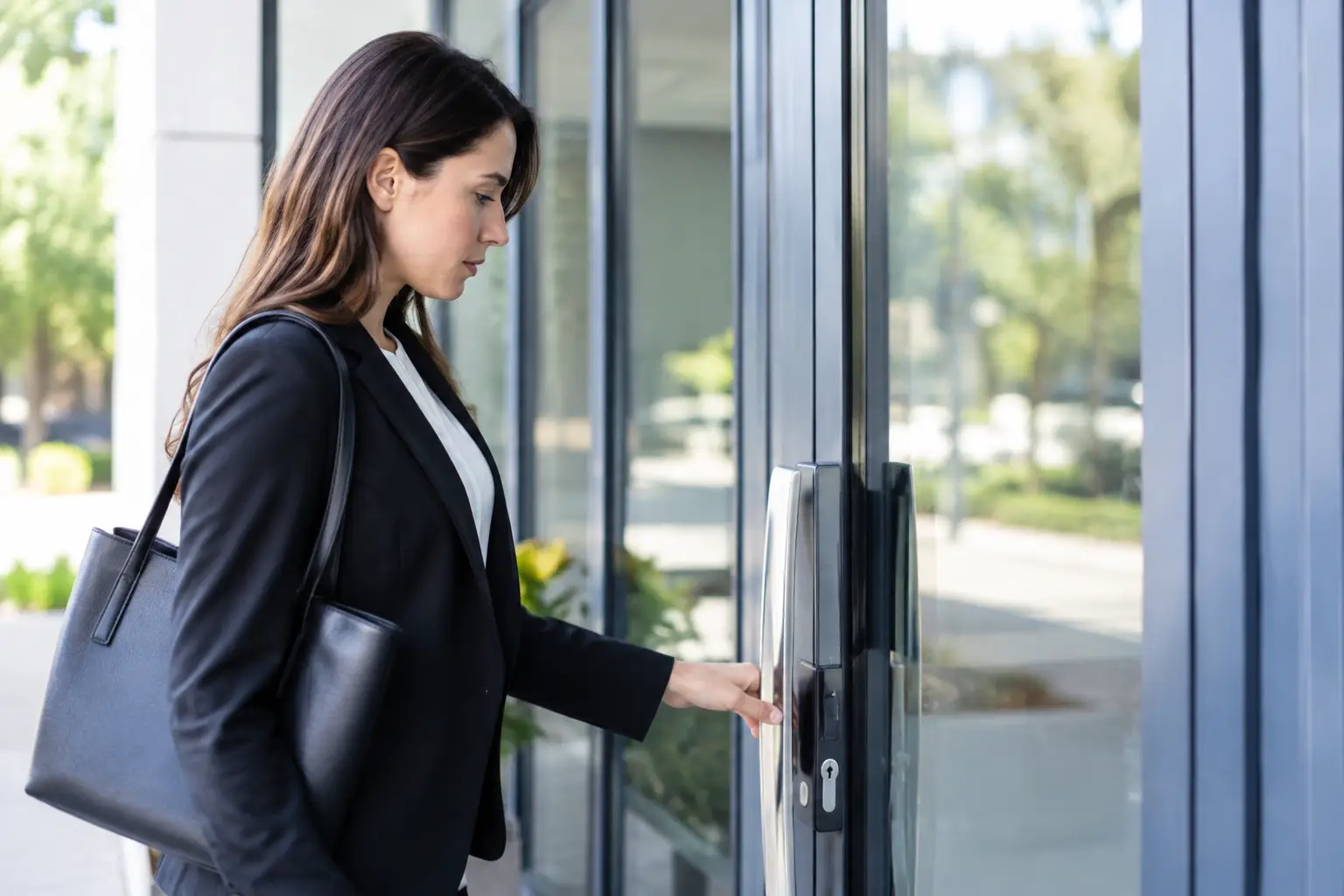
A manager arrives before opening, the alarm is set, customers are due in an hour, and the only key is sitting on a desk behind a locked door. That is the moment a business lockout prevention guide becomes more than a security checklist. It protects employee safety, revenue, schedules, and the confidence your team has in the building’s access plan.
Commercial lockouts rarely come from one careless person. They usually expose a weak process: too few authorized keyholders, an outdated lock, a shared code nobody documented, a door that does not latch correctly, or a former employee who still has a key. The fix is not simply making more copies of every key. A dependable plan balances access, accountability, and a fast response when something fails.
Why a business lockout costs more than time
A locked-out employee may be unable to open a retail store, access an office server room, retrieve medication or tools, or secure a property after hours. For a restaurant, clinic, contractor, landlord, or small office, even a short delay can affect customers and staff. There is also a security issue: hurried attempts to force a door can damage the lock, frame, glass, or panic hardware.
The right response is calm and controlled. Do not let employees pry a door, drill a lock, climb through a window, or tailgate into a secured area. Those actions can create injuries, trigger alarms, and leave the building less secure than before. A licensed commercial locksmith can assess the door and use the least destructive method appropriate for the hardware.
Prevention starts by treating access as an operating responsibility, not an afterthought handled only when a key disappears.
Start with a clear access policy
Every business needs to decide who can enter, which doors they can use, and when. A two-person office may need a simple keyholder list. A larger workplace with several entrances, stockrooms, or tenant spaces may need separate access levels. The goal is to avoid both extremes: handing keys or codes to everyone, or making one person the only person who can open the building.
Choose at least two trusted keyholders who can respond during business hours and after hours. They should know the alarm procedure, where emergency contacts are kept, and who has authority to approve locksmith work. If your business has multiple locations, assign a local keyholder for each one rather than expecting someone to drive across town during an emergency.
Document the policy in plain language. Include what employees should do if they lose a key, forget a code, leave a job, or find a key that was thought to be missing. A fast report is far less expensive than discovering weeks later that an unaccounted-for key may still be in circulation.
Keep an accurate key record
A key log does not need to be complicated, but it must be current. Record the key number, door or area it opens, date issued, employee name, and date returned. Avoid writing the business name or address directly on a key tag. If a key ring is lost, it should not tell a stranger exactly where it works.
For master-key systems, use even more care. A master key can be useful for managers and property teams, but it also increases the impact of one loss. Limit master keys to people who truly need them, store spare master keys in a controlled location, and review the record regularly.
When an employee leaves, collect keys, fobs, parking passes, and alarm credentials as part of the offboarding process. If the key is not returned or you cannot verify who may have copied it, rekeying the affected locks is usually the sensible call. It is a targeted security expense that can prevent a much larger problem.
Choose access hardware that fits the property
Traditional keyed locks remain practical for many small businesses. They are familiar, dependable, and often less expensive to install. Their trade-off is administrative: each issued key must be controlled, recovered, and replaced when needed.
Electronic locks, keypad locks, smart locks, fobs, and card systems can make access management easier when people, schedules, or access needs change often. A unique code or credential can be removed without changing the physical lock. Some systems also create an entry record, which can help a manager investigate an access concern.
Electronic access is not automatically the best answer. It depends on the door, traffic level, fire-code requirements, available power, network reliability, and who will manage the system. A battery-powered keypad may be suitable for a small office supply room but not for every exterior entry. Exterior commercial doors often need hardware designed for heavy use, weather exposure, and proper egress.
Do not overlook the door itself. A quality lock cannot solve a sagging door, misaligned strike plate, loose closer, damaged frame, or failed panic bar. If employees have to pull, lift, or slam a door to make it latch, schedule service before the problem becomes a lockout. Doors that bind in Pittsburgh’s changing seasonal conditions deserve attention early, especially at high-traffic entrances.
Build a practical backup-entry plan
A backup plan should allow authorized access without creating an easy target for theft. Many businesses use a secure lockbox or key safe, but it must be commercial-grade, mounted where appropriate, and limited to designated keyholders. Treat the code like any other credential. Change it when staff responsibilities change, not only after a problem.
Avoid hiding keys under mats, planters, electrical boxes, or loose outdoor fixtures. Employees may know the hiding place, but so can former employees, delivery drivers, and anyone watching the routine. A hidden key is not a controlled backup system.
Your plan should also identify the locksmith to call and the person authorized to approve service. Save the company number in keyholder phones before an emergency occurs. During a real lockout, verify that the provider is licensed, insured, able to handle commercial hardware, and willing to explain pricing before work begins. That protects your property and avoids making a stressful situation more complicated.
Train for the moments that cause lockouts
Most preventable incidents happen during rushed transitions: opening, closing, shift changes, deliveries, vacations, and staff turnover. A short training conversation can eliminate a surprising number of calls.
Employees should know to carry keys or credentials before stepping outside, check that a door is fully latched before leaving, and report a stiff lock or unreliable fob immediately. Closing staff should confirm who has the building key before the last person exits. If a door has an automatic locking function, new employees need to understand exactly when it engages.
For businesses with alarm systems, make sure staff understand the difference between an access code and an alarm code. Confusing the two can turn a simple entry issue into a false alarm or an after-hours police response. Keep alarm-provider contact information current and remove former employees promptly.
A useful quarterly review can cover these questions:
- Are all issued keys, fobs, and codes accounted for?
- Do at least two current people have authorized after-hours access?
- Are any locks, closers, strikes, or panic bars difficult to operate?
- Have former employees, vendors, or tenants had access that should be removed?
- Does the emergency contact list still match current managers and property owners?
What to do when the lockout still happens
Even a well-managed business can face a failed key, dead keypad battery, broken key, malfunctioning panic device, or door that suddenly will not open. Protect people first. If someone is trapped, there is a fire concern, or the building cannot be secured, call for emergency help immediately.
For a standard lockout, confirm that no authorized keyholder can provide access, then call a qualified locksmith. Have proof of authority available, such as identification, a business card, lease information, or a manager who can verify the request. Explain the door type, whether it is an exterior entrance, and whether an alarm or panic bar is involved. Clear details help the technician arrive prepared.
Once access is restored, do not treat the incident as finished. Find the cause. A lost key may require rekeying. A recurring latch problem may require door adjustment. A lockout caused by one manager holding the only credential calls for a better backup policy. The right repair should reduce the odds of the same emergency happening next week.
For Pittsburgh-area businesses, Arcane Locksmith can help with urgent commercial lockouts, rekeying, door hardware concerns, electronic locks, and panic-bar service. A quick professional assessment can turn one stressful morning into a practical improvement to how your business stays secure.